

Itrio Launcher – A Digital Platform for Safe Computer Use in Schools and After-School Programs
2006 Itrio
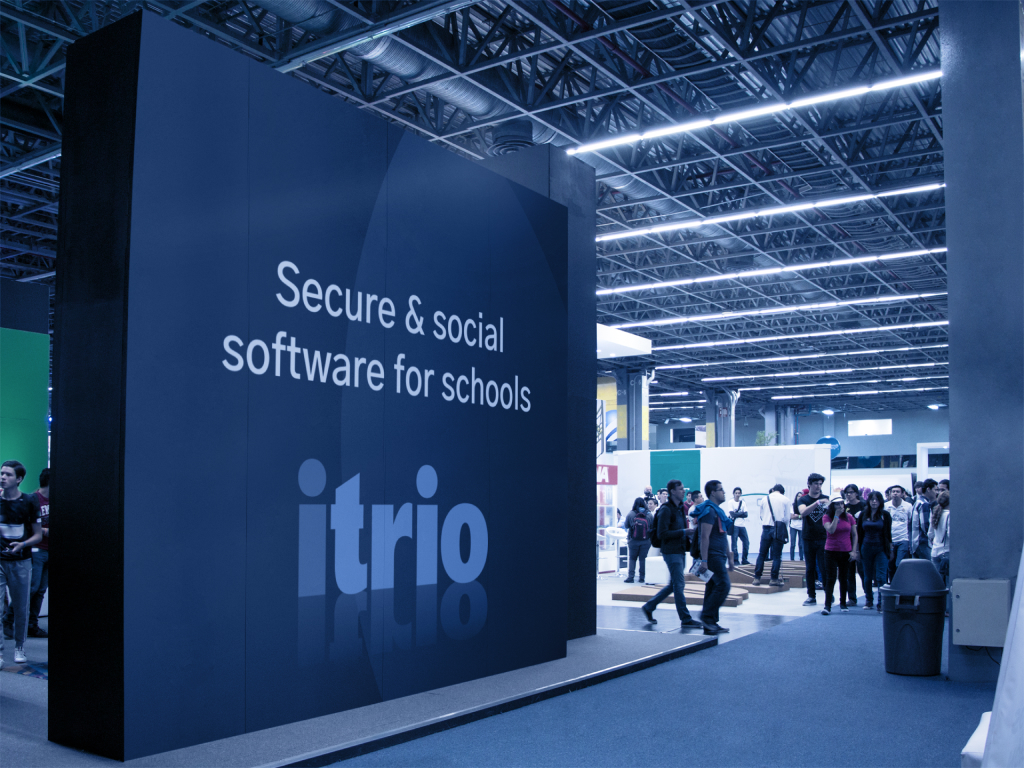
Itrio was a Danish software company I co-founded in 2006 together with two partners. The product, Itrio Launcher, was designed for schools, after-school programs (SFOs), libraries, and youth centers where children had access to shared computers.
At the time, institutions faced major challenges in managing hardware, enforcing rules, and ensuring safe digital environments for children.
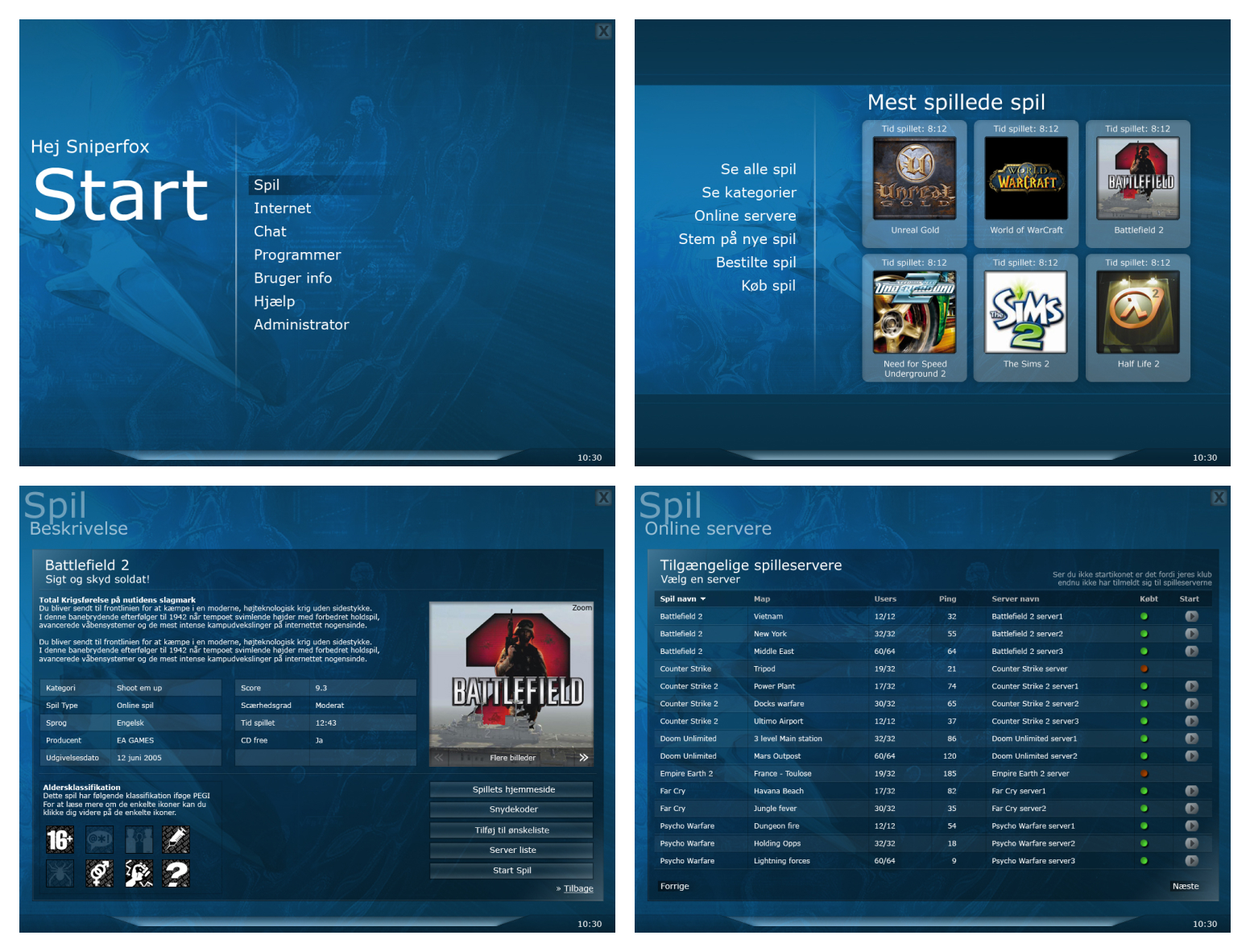
Itrio Launcher provided a locked-down, kiosk-style interface that controlled access to games, chat, and system settings — while keeping usage compliant with age restrictions and child safety regulations.
The goal
The objective was to design and deliver a secure, intuitive, and time-bound digital voting solution that would:
- Create a simple entry point (“Launcher”) for youth activities
- Increase participation and engagement
- Reduce administrative friction for staff
- Work across municipalities and institutions
- Be intuitive for both children, teenagers and non-technical staff
- Be scalable across Denmark
The solution had to balance institutional governance with a youth-first digital experience.
The solution
We designed Itrio Launcher as a modular digital platform enabling:
- Digital member registration
- Event overview and sign-up
- Direct communication between institutions and youth
- Activity insights for staff
- A scalable framework adaptable to different municipalities
The process
A small cross-functional team worked closely with institutions and youth representatives.
I was responsible for product direction, UX strategy, and visual design.
Key process highlights:
- Field interviews with youth and institutional staff
- Mapping of analog workflows to identify friction points
- Rapid prototyping and validation with real users
- Iterative design sprints balancing usability and compliance
- Continuous stakeholder alignment with municipalities and partnersable election deadline
The guiding principle was:
If both a 8-year-old and a 65-year-old administrator can use it without instructions, it works.


The outcome
Although the product solved real problems and was well received by staff and children, the business struggled to scale commercially.
The market was early:
- This was before smartphones
- Before home network gaming
- Before widespread cloud adoption
Institutions had limited budgets, long sales cycles, and high dependency on public funding.
We tried shifting our strategy from selling to individual institutions toward engaging politicians and public decision-makers, but the market was not ready for large-scale investment.
Eventually, we ran out of funding and had to close the company.
Key learnings
- A strong product is not enough without a scalable market
- Public-sector sales require long-term financial endurance
- Timing matters as much as innovation
- Belief in a vision must be balanced with commercial reality
- Founders must know when to adapt — or let go
Despite the outcome, the project provided invaluable experience in entrepreneurship, product leadership, budgeting, stakeholder management, and business strategy.
My role
I co-founded Itrio and served as CEO, leading both the creative and product direction of the company.
I was responsible for:
- Product vision and UX direction
- Feature design and system structure
- Explaining complex technical solutions to non-technical stakeholders
- Managing partnerships and client relationships
- Balancing product ambition with financial reality
The experience shaped my leadership style, sharpened my business judgment, and gave me a deep understanding of what it takes As founder and CEO
Credits
Ungdomsringen
Enabled strategic access to key institutions and provided essential insight into the lived experiences and core challenges of young people — informing research and shaping product direction.
Why the project failed
From a strategic perspective, Itrio struggled because:
- The market was too early Institutions were not yet digitally mature, and children’s digital behavior had not shifted to home-based platforms.
- Public sector sales are slow and fragile Budgets, political decisions, and procurement processes limited scalability.
- The business model was narrow 49 DKK per machine per month required large volume to be sustainable.
- Timing outweighed innovation The idea was right — just ahead of its time.