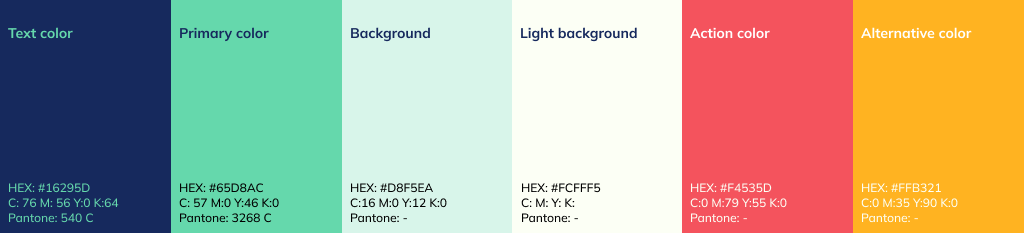
2017 Lobyco Rebranding
A Themed Whitelabel System in Figma
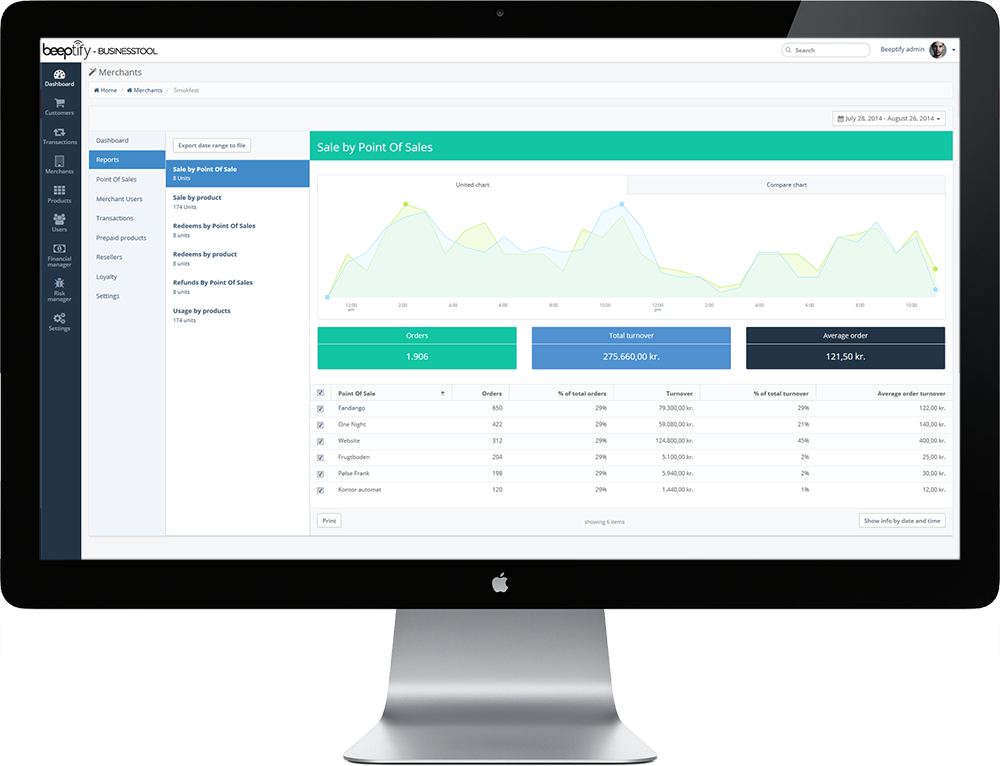
The first few years we did not adjust then branding
Introduction
Lobyco is the backbone of Coop Denmark’s loyalty platform. Founded in 2020 in Copenhagen, the company’s mission is to deliver loyalty services to retailers worldwide.
To attract potential clients, we needed a way to showcase how their brand would look inside the Lobyco loyalty app. This led us to create a complex design system—a global component library with multiple themed variations containing local components and brand assets.
The Goal
Lobyco needed a scalable, customizable, and visually perfect solution to:
- Enable clients, delivery teams, and developers to align quickly on the selected design.
- Offer picture-perfect and adjustable prototypes for each client.
- Clearly define what assets clients could customize.
- Allow the commercial team to use interactive prototypes in sales meetings.
- Support animated prototypes within the design system.
The Process
- Research & Benchmarking – Studied world-class design systems for inspiration.
- Creative Alignment – Established how the design and development teams would collaborate.
- Migration to Figma – Moved everything from Sketch & Zeplin.io to Figma.
- Developer-Focused Enhancements – Integrated plugins for CSS, Swift, and Java exports.
- Access & Adoption – Ensured company-wide SSO access to Figma.
- Master Theme Creation – Built a core theme for all new features.
- Cross-Team Collaboration – Gathered input from developers, UX designers, product owners, and sales teams.
- Dynamic Theming – Created guides to help UX designers switch client themes instantly.
- Change Log Implementation – Established an update log for transparency.
The Goal
Lobyco needed a scalable, customizable, and visually perfect solution to:
- Enable clients, delivery teams, and developers to align quickly on the selected design.
- Offer picture-perfect and adjustable prototypes for each client.
- Clearly define what assets clients could customize.
- Allow the commercial team to use interactive prototypes in sales meetings.
- Support animated prototypes within the design system.
The Outcome
Creating a flexible yet structured design system that works across multiple brands is a major challenge. While it required ongoing collaboration, it significantly reduced friction in later development phases.
Impact
- 200+ active users in the design system.
- 18+ themes, growing monthly.
- 200+ global components with 1,450 variations.
- Each theme includes 500+ styles, classes, and components.
My Role
As Head of Design, I:
- Initiated the project and secured organizational buy-in.
- Defined the base structure, naming conventions, and key components.
- Supervised the design team in building and maintaining the system.
- Facilitated the creative community of 20+ designers and shared the system with the development community of 100+ people.