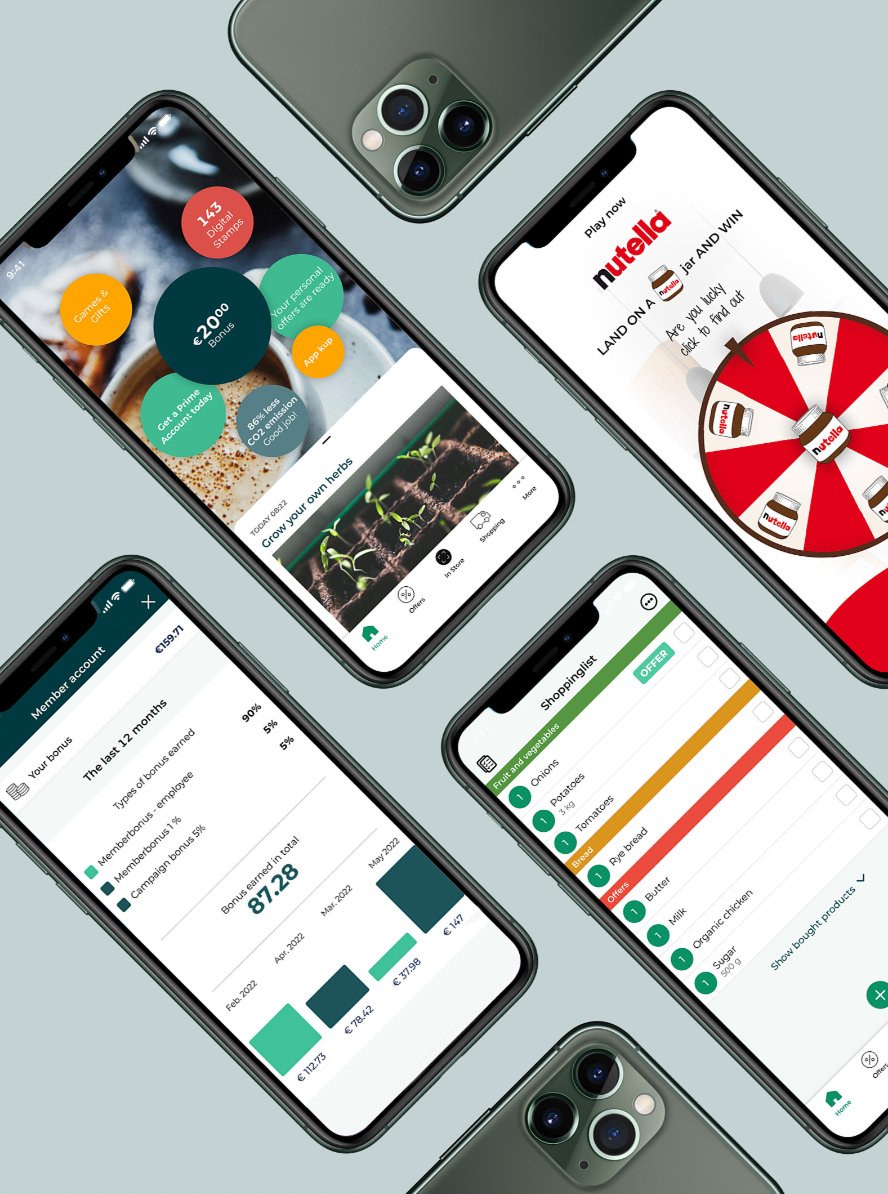
Scaling a Global Whitelabel Design System for 40+ Retail Brands
2022 Lobyco A/S
Role: Head of Design & UX Knowledge Lead
Scope: Team of 5 direct reports, 20 UX designers, and handover to 60+ developers
Markets: Europe, North America, and Asia-Pacific (40+ retail brands)
1. The Business Challenge
Lobyco was scaling rapidly from a single-market loyalty platform to selling white-label retail apps to major grocery and retail chains across the globe.
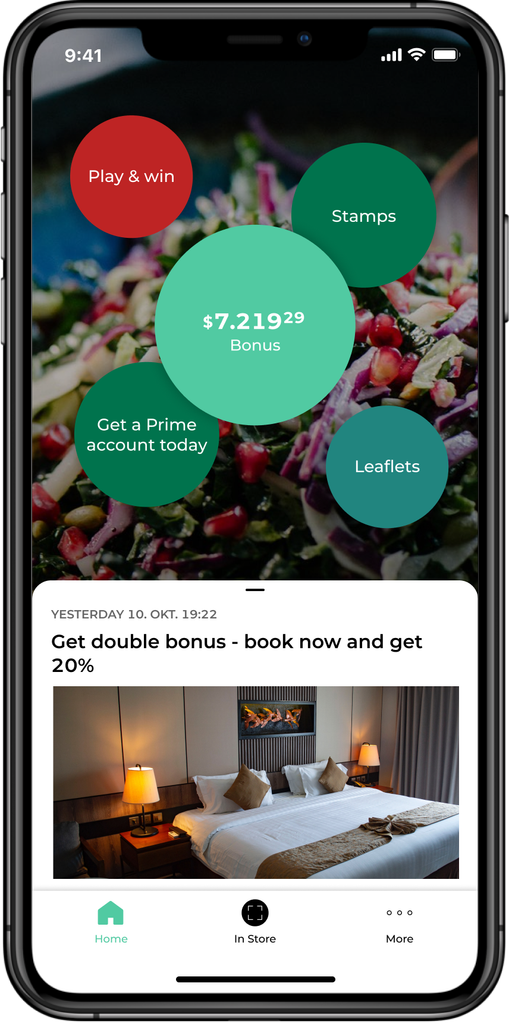
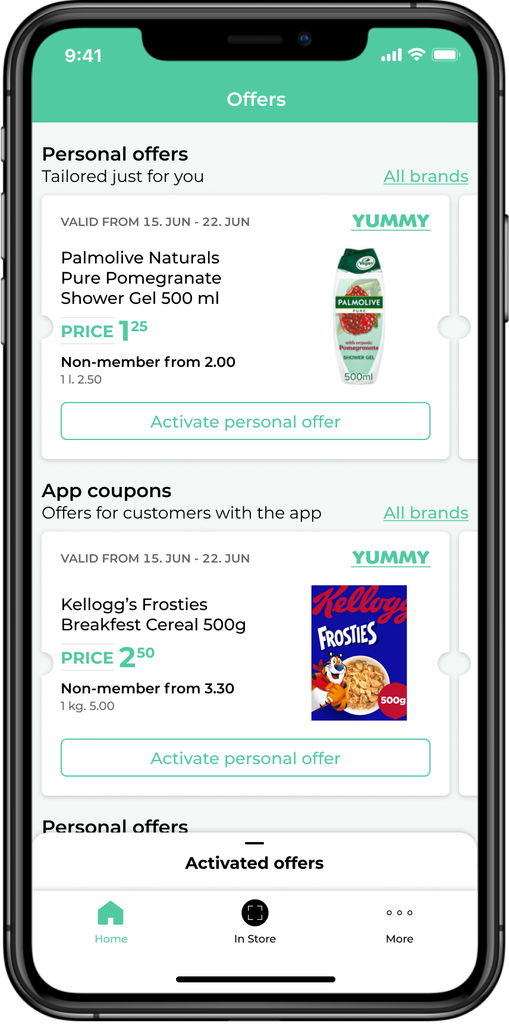
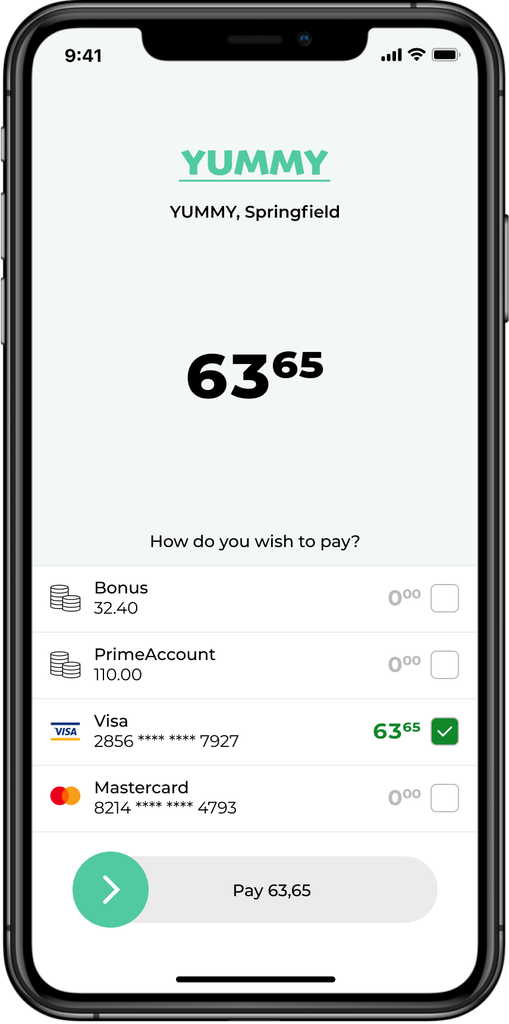
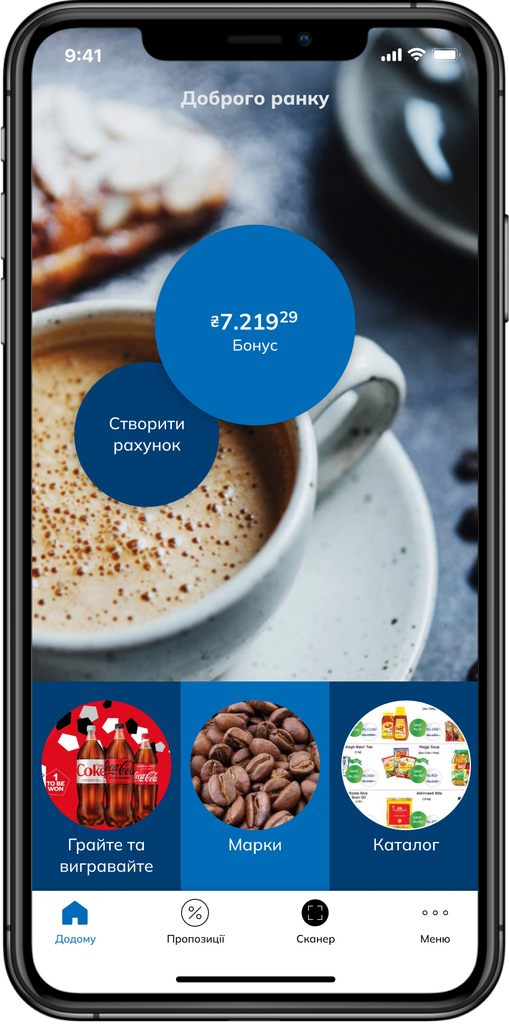
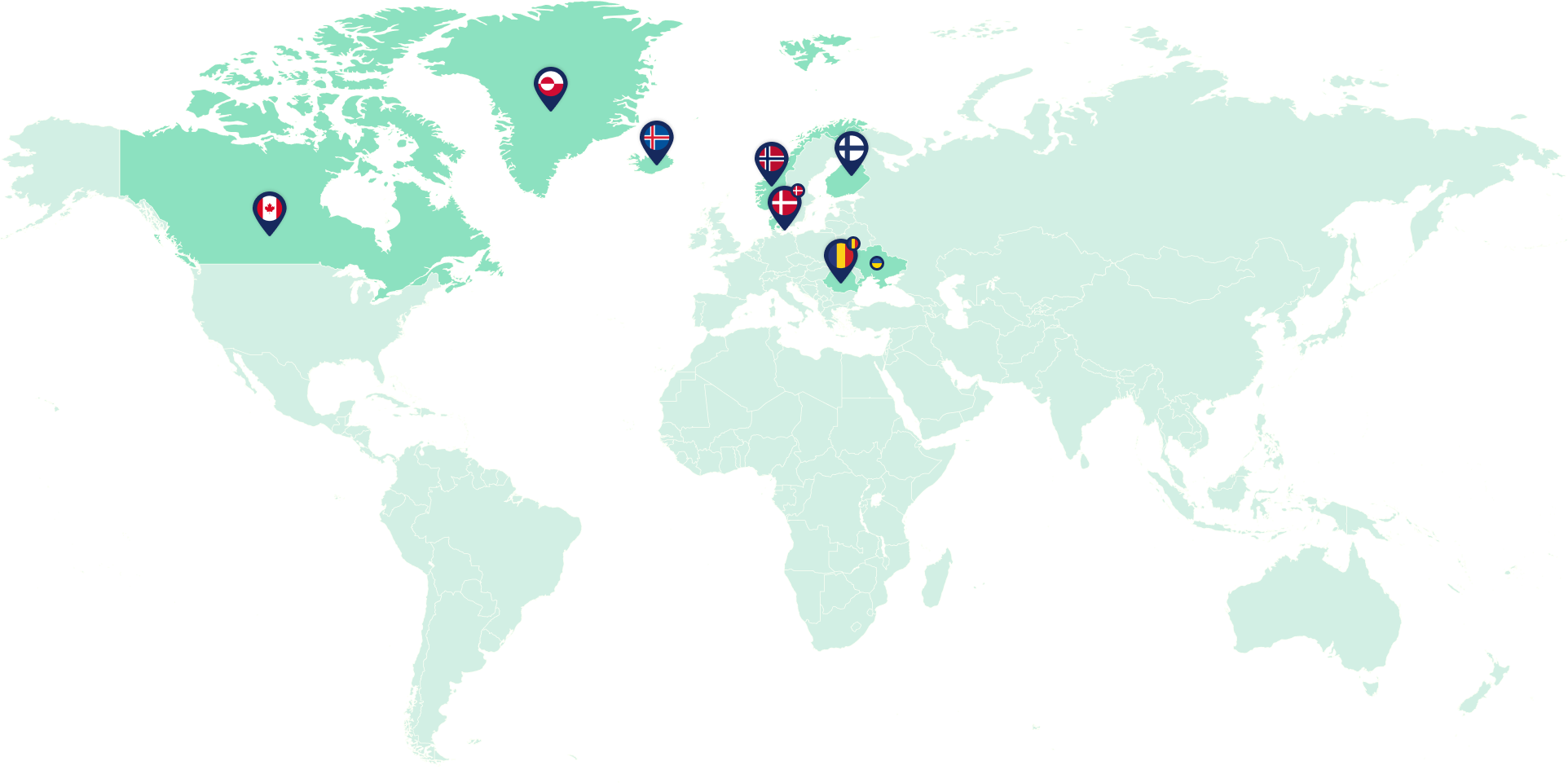
To win enterprise deals in markets like Canada and New Zealand, our sales team needed to show prospective clients a realistic, interactive prototype featuring their own brand identity, local products, and promotional offers – fast. Our existing design system wasn’t built for true white-labeling.
Creating custom pitches took too long, and without a unified architecture, scaling across dozens of international brands threatened to turn frontend maintenance into a bottleneck.
1. The Business Challenge
Lobyco was scaling rapidly from a single-market loyalty platform to selling white-label retail apps to major grocery and retail chains across the globe.
To win enterprise deals in markets like Canada and New Zealand, our sales team needed to show prospective clients a realistic, interactive prototype featuring their own brand identity, local products, and promotional offers – fast. Our existing design system wasn’t built for true white-labeling.
Creating custom pitches took too long, and without a unified architecture, scaling across dozens of international brands threatened to turn frontend maintenance into a bottleneck.
2. Leadership & Mandate
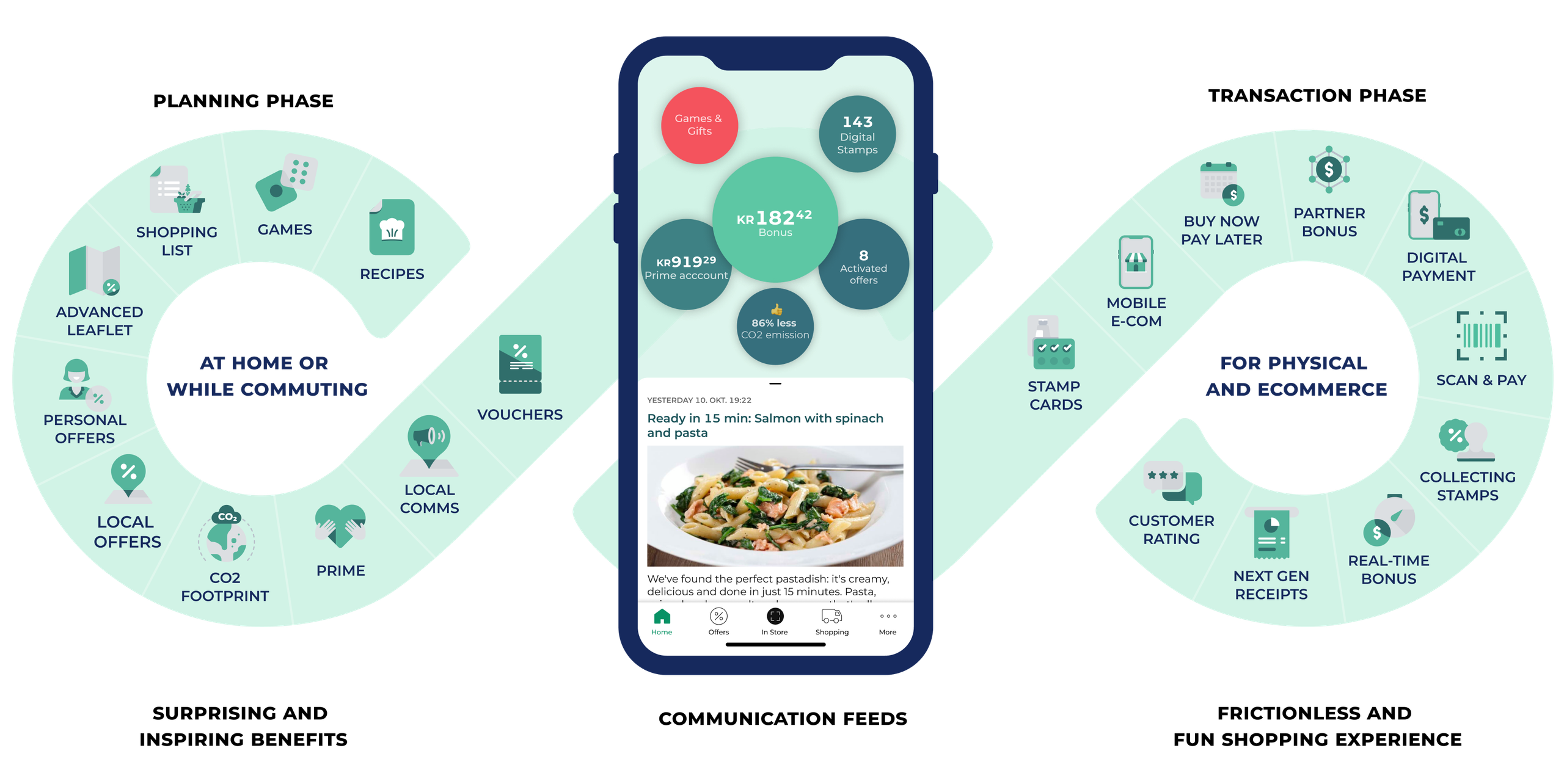
As Head of Design, I led a core team of 5 designers while acting as the UX/UI/FRONTEND Knowledge Lead for roughly 20 UX specialists across the organization. My mandate was to build a scalable design foundation that bridged commercial speed with engineering reality – serving over 60 developers working across iOS, Android, and Web.
3. Strategy & Architecture: Pragmatism Over Perfection
Rather than designing in a vacuum, we built the system around shared language, speed, and strict cost-benefit thinking:
- One Shared Component Language: Even though we developed for both Apple and Android, we standardized all component naming around Android conventions. This eliminated translation friction between designers and developers – everyone immediately knew what a component was called and where to find it.
- Bridging Figma and Code: Alongside Figma, we maintained a React Native component library and an interactive web browser where internal teams and external retail partners could inspect and approve components. Developers maintained platform-specific implementations, and we intentionally allowed native platform variations where standard OS components solved the problem faster and cheaper. My philosophy is simple: never over-engineer uniformity if a native pattern delivers better cost-benefit.
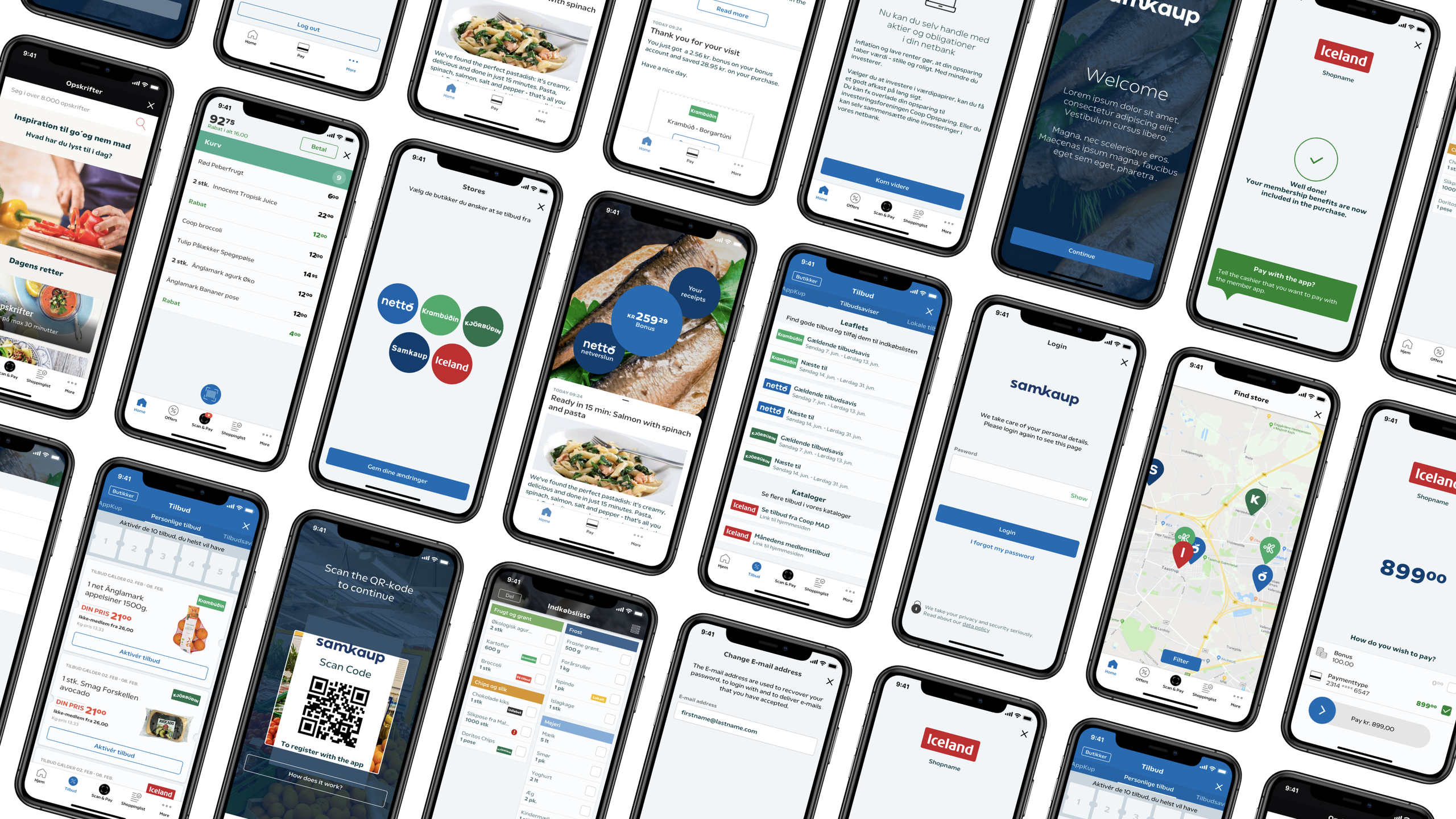
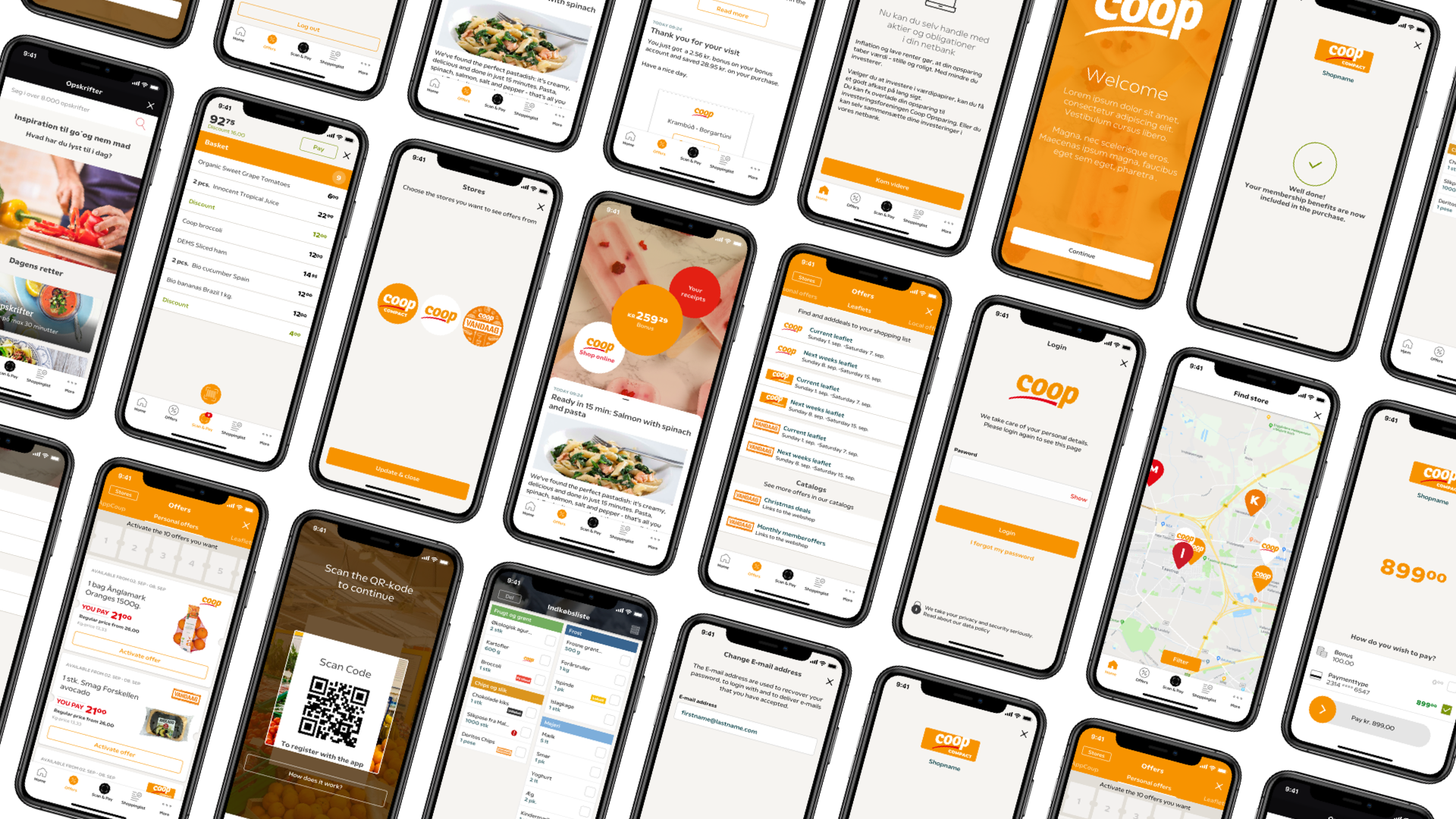
- Automated Brand Prototyping: By structuring tokens, local product imagery, and offer templates systematically, we could spin up a tailored, interactive prototype for a brand-new client in New Zealand or Canada in record time – and seamlessly reference those exact components in React Native once the deal was signed.
4. Commercial Impact
- 40+ Global Retail Brands: Successfully scaled the design foundation across major market-leading retailers in Europe, North America, and Asia.
- Accelerated Sales-to-Delivery: Dramatically reduced the turnaround time from initial client interest to presenting a branded, interactive loyalty app prototype – directly supporting commercial win rates.
- Alignment at Scale: Created a single source of truth that kept 20 designers and 60+ developers aligned across multiple platforms.
5. Leadership Reflections & Key Learnings
Leading a design system that serves both a fast-moving sales organization and a structured engineering organization is a constant balancing act – and it taught me two vital lessons:
- Separate Sales Prototypes from Production Governance: Because our Figma setup served both rapid sales pitches and core product development, complexity grew quickly. Market-leading retail chains naturally demanded custom features, which meant updating a component needed by just two clients often forced complex regression checks across all 40+ brands. Looking back, I would decouple the “sales sandbox” from the core production library – giving sales maximum creative speed up front, while protecting engineering and UX teams to properly design edge cases during actual integration.
- Governance is People Management: A design system doesn’t fail because of Figma; it fails if people don’t talk. True scale happens when designers understand technical constraints and developers feel ownership of the user experience.
Image gallery